


There is no public confirmation of a family relationship or direct business partnership between Nelson Peltz and Amancio Ortega. They are separate business figures whose careers developed through very different models: Peltz built his reputation through investment, shareholder engagement and corporate boards, while Ortega founded the retail group behind Zara and retained controlling ownership as it expanded.
As of September 25, 2026, Peltz remained chief executive and a founding partner of Trian Fund Management, as well as a non-executive director of Unilever. Ortega remained a director and controlling shareholder of Inditex, where his beneficial interest stood at 59.294% as of January 31, 2026.
Their names make more sense as a comparison than as a shared story. Peltz typically enters established companies as an investor and seeks influence over what happens next. Ortega’s position grew from building an operating business and continuing to own most of it decades later.
Are Nelson Peltz and Amancio Ortega connected?
There is no documented family tie, joint company or disclosed major business partnership connecting Nelson Peltz and Amancio Ortega.
That does not establish that the two men have never met or communicated privately. It simply means there is no confirmed public relationship of the kind readers might expect when two prominent business names repeatedly appear together.
The distinction matters because their business identities are otherwise quite separate. Peltz is closely associated with Trian Fund Management and with shareholder campaigns involving established public companies. Ortega is associated with Inditex, the Spanish fashion group whose brands include Zara, and with the investment companies through which he holds much of his Inditex stake.
Nelson Peltz: from operating companies to Trian
Nelson Peltz spent years running companies before becoming widely identified with activist investing.

Corporate filings place him at Triangle Industries from 1983 until December 1988, when he served as chairman and chief executive. From January 1989 to April 1993, he held the same senior roles at Trian Group. He later became closely associated with Triarc and, from 2005, with Trian Fund Management.
Trian’s model is built around taking meaningful stakes in companies and pressing for changes intended to increase long-term shareholder value. Depending on the situation, that can mean seeking board representation, challenging strategy, calling for operational changes or participating more directly in ownership.
Peltz’s career has therefore been less about founding one dominant operating company than about becoming an influential shareholder in businesses that already exist.
His board history includes some of the world’s best-known consumer companies. He joined Unilever’s board in July 2022 and remained a non-executive director in the company’s 2025 reporting. Unilever’s 2025 annual report identifies him as Trian’s chief executive and founding partner and also records his directorship at Madison Square Garden Sports.
Wendy’s and Peltz’s changing role
Wendy’s has been one of the longest-running corporate relationships in Peltz’s public career, but descriptions of him as its current chairman are outdated.
Peltz served as Wendy’s non-executive chairman from 2007 until September 6, 2024. On that date, he resigned from the board and received the honorary title Chairman Emeritus. Arthur Winkleblack became chairman. Wendy’s September 2024 SEC filing records the change.
His departure from the board did not mean an end to Trian’s financial interest in the company. In February 2026, a filing by Peltz, Trian and related reporting persons disclosed discussions about possible strategic transactions that could potentially result in greater control of Wendy’s. Crucially, the filing did not announce a takeover offer and explicitly stated that there was no assurance a proposal would be submitted or a transaction completed.
Later in the year, Reuters reported on August 26, 2026 that Trian had no plan at that time to make a take-private bid for Wendy’s, while leaving open the possibility that its intentions could change.
That episode illustrates the distinction between exploring a transaction and actually launching one. It also shows why Peltz’s influence is often expressed through ownership positions and strategic pressure rather than through permanent executive control.
A major 2026 deal involving Trian
A clearer example of Trian taking a direct ownership role came with Janus Henderson.
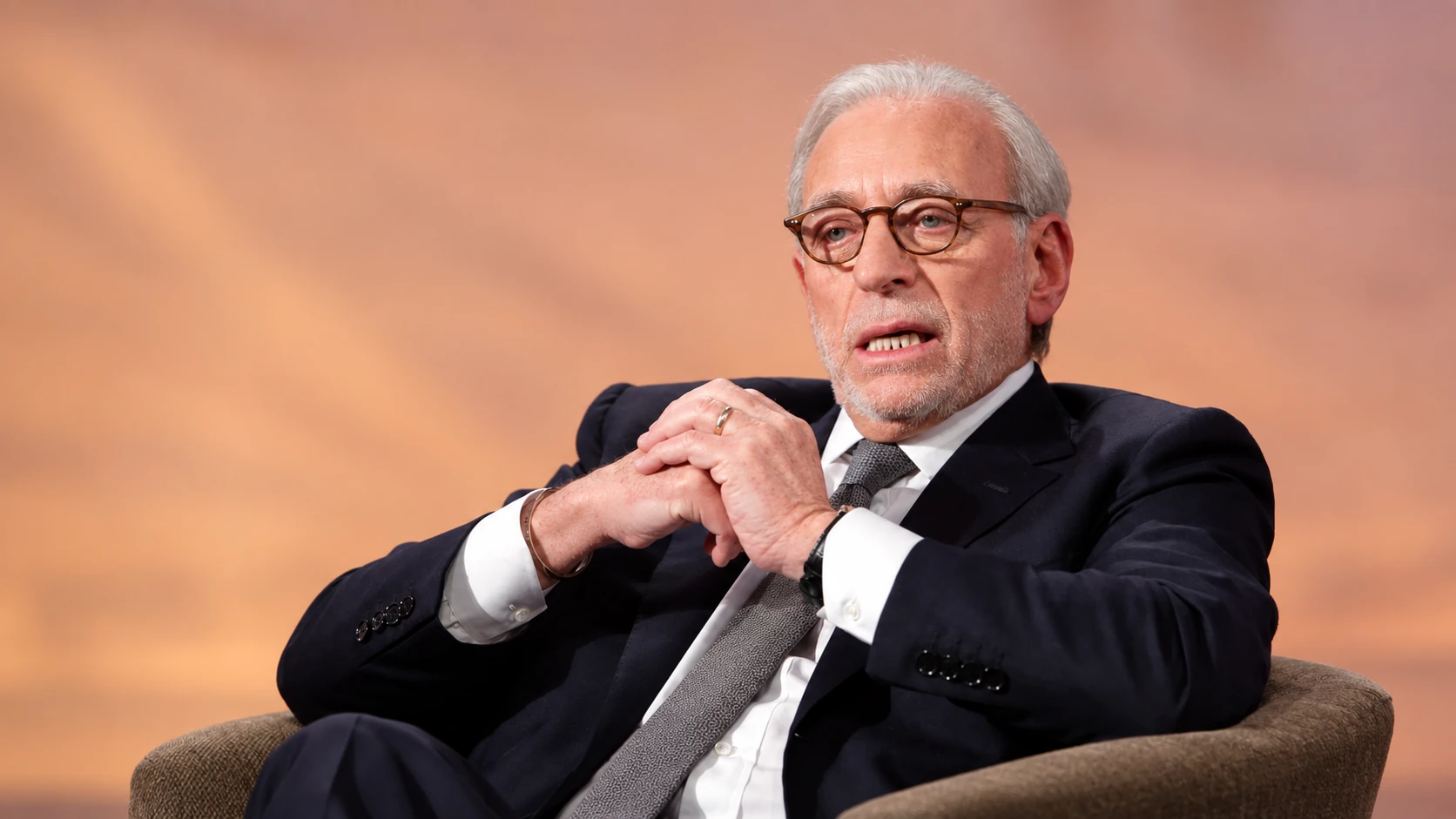
On June 30, 2026, Janus Henderson announced that a transaction involving Trian, General Catalyst and the Qatar Investment Authority had been completed, taking the investment manager private. Shares not already owned or controlled by Trian were converted into the right to receive $52 in cash per share, and Janus Henderson was delisted from the New York Stock Exchange.
The Janus Henderson transaction announcement is an important current example of Trian’s role beyond proxy fights and board campaigns. It should not, however, be described as Peltz personally buying Janus Henderson. The transaction involved Trian and other investors.
Amancio Ortega: from textiles to Zara
Amancio Ortega’s business story begins in a very different place.
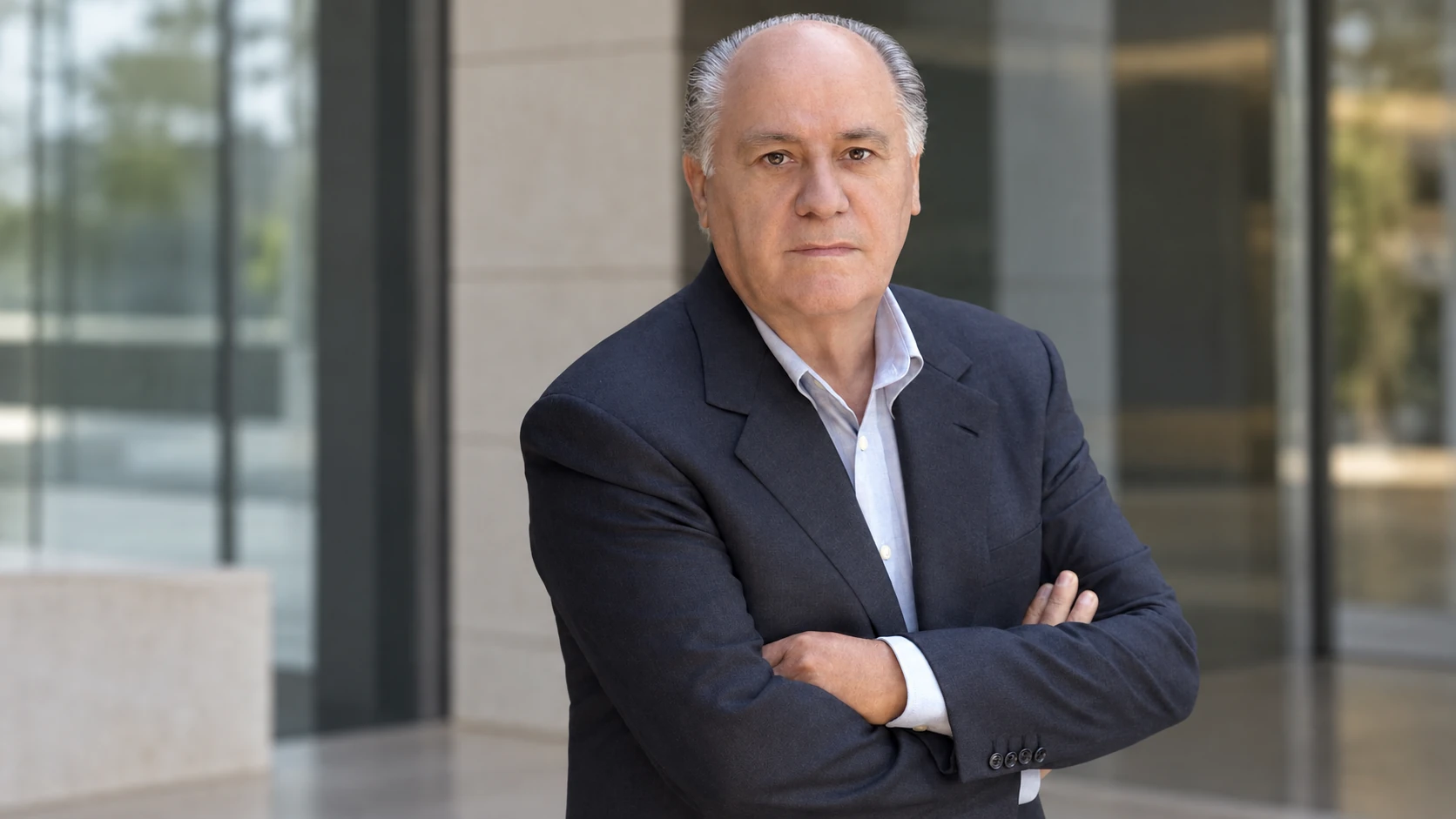
According to Inditex’s corporate records, Ortega began his career in textile manufacturing in 1963. He founded Confecciones Goa in 1972 and Zara España in 1975. Those dates are worth stating carefully because some recent online profiles have incorrectly described Confecciones Goa as having been founded in 1963.
Zara became the centre of the business that developed into Inditex, now one of the world’s largest fashion retail groups. Ortega chaired Inditex until 2011, but stepping down from the chair did not end his influence over the company.
He remains an Inditex director and, more importantly, its controlling shareholder.
As of January 31, 2026, Ortega beneficially owned 59.294% of Inditex’s shares and voting rights through companies he controls. The holding was split between 50.010% through Pontegadea Inversiones and 9.284% through Partler Participaciones, according to Inditex’s 2025 corporate-governance report.
That is the more precise answer to the common question of whether Ortega still “owns Zara”. He does not own Zara as a standalone business outright; instead, he controls a majority interest in Inditex, Zara’s parent company.
Ortega’s background and continuing ownership
The Amancio Ortega Foundation describes him as having been born in 1936 into a working family and entering the textile trade at a young age.
The documented chronology that followed is unusually consistent: textile manufacturing from 1963, Confecciones Goa in 1972, Zara España in 1975, decades leading Inditex, and continued control after leaving the chair.
That continuing ownership is central to understanding Ortega’s business position today. He no longer runs Inditex’s daily operations, but he remains economically dominant through his majority stake and also chairs Pontegadea Inversiones and Partler 2006.
Inditex itself reported revenue of €39.9 billion and net profit of €6.2 billion for its 2025 financial year. Those are company results, not Ortega’s personal income, but they show the scale of the business underlying much of his wealth.
Two very different forms of corporate influence
The most useful comparison between Nelson Peltz and Amancio Ortega is not personal but structural.
Peltz generally acquires stakes in companies he did not found and then seeks influence through share ownership, board involvement or proposals for strategic change. His power depends on the size of the investment, the strength of the argument being made and, often, whether other shareholders support the same direction.
Ortega’s position is different. He built the business at the centre of his fortune and retained majority control as it expanded. His influence therefore comes from founder ownership rather than from entering an established company as an outside investor.
That difference also explains why their careers look so different on paper. Peltz’s public record is spread across multiple corporations and campaigns. Ortega’s is concentrated much more heavily around Inditex, with later investments organised through entities such as Pontegadea.
Neither model requires treating the men as rivals or partners. Their careers simply illustrate two distinct ways that substantial corporate influence can be maintained over time.
What are Nelson Peltz and Amancio Ortega worth?
Net worth figures for both men are estimates rather than audited statements of personal wealth.
On September 25, 2026, Forbes’ real-time estimate put Nelson Peltz’s net worth at about $1.5 billion and Amancio Ortega’s at about $135.8 billion. Those figures can change quickly as public-company share prices, private-asset valuations and the methodology used by wealth trackers change.
For Ortega in particular, it is important not to confuse his 59.294% Inditex ownership with his net worth. A shareholding is one component of wealth, not the same thing as cash or annual income. Likewise, Inditex’s billions in annual revenue belong to the company, not personally to Ortega.
The same caution applies to Peltz. Aggregate ownership reported by Trian-related filing persons in a company such as Wendy’s should not be treated as Peltz’s personal stake unless the filing specifically assigns those shares to him.
Where they stand in 2026
By September 2026, Peltz and Ortega remained important for very different reasons.
Peltz continued to lead Trian and sit on Unilever’s board. The Janus Henderson take-private gave Trian a major completed transaction during the year, while the Wendy’s situation remained more fluid: potential strategic options had been considered, but the latest reported position in August was that Trian did not then plan to make a take-private bid.
Ortega’s position was steadier. He remained a director and controlling shareholder of Inditex, with a 59.294% beneficial interest recorded at the end of January 2026, while continuing to chair investment entities linked to his holdings.
That leaves the original question with a straightforward answer. Nelson Peltz and Amancio Ortega are not publicly established as relatives, business partners or members of a shared venture. Their connection is primarily one of comparison: Peltz built influence by investing in and engaging with established companies, while Ortega built and retained control of the company that became Inditex.
